
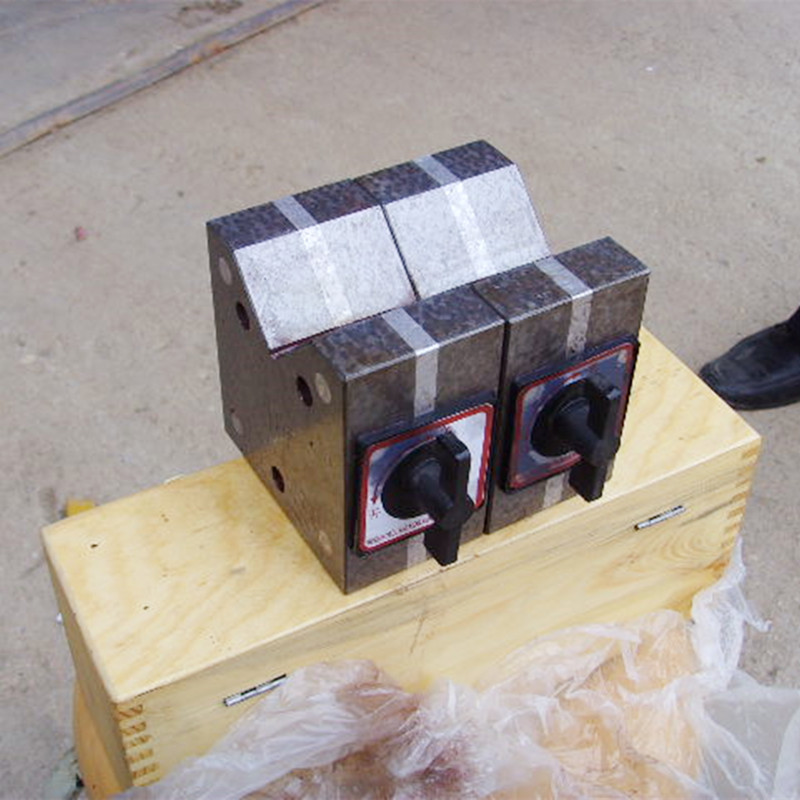
safety glass panels
The Importance of Surface Plates in Precision Engineering In the realm of precision engineering and manufacturing, surface plates play a pivotal role in ensuring accuracy and reliability. These flat, stable surfaces serve as foundational tools for measuring, marking, and assembling parts in various industrial settings. Whether in machine shops, quality control laboratories, or assembly lines, surface plates are integral to maintaining high standards in production processes. Understanding Surface Plates Surface plates are constructed from various materials, including granite, cast iron, and synthetic composites. The choice of material often depends on the specific requirements of the application. For instance, granite surface plates are favored for their durability, resistance to wear, and stability at different temperatures. They are less prone to warping compared to other materials, making them ideal for precision work. Types of Surface Plates There are several types of surface plates, each designed to meet specific needs. The most common include 1. Granite Surface Plates Known for their exceptional stability and hardness, granite plates are extensively used in metrology and quality assurance. They are easy to clean and require minimal maintenance, making them popular in many workshops. 2. Cast Iron Surface Plates These plates are usually heavier and more robust. They can withstand heavy usage and are often used in heavy machining environments. Cast iron surface plates often come with a lacquered finish to prevent rusting and enhance their longevity. 3. Synthetic Surface Plates Made from advanced composite materials, synthetic surface plates offer the benefits of low weight and high resistance to thermal expansion. They are particularly useful in environments where temperature fluctuations are common. Applications of Surface Plates surface plate Surface plates serve a myriad of functions across different fields 1. Inspection In quality control, surface plates provide a stable reference point for inspecting the flatness or perpendicularity of components. The precision they offer is crucial for adhering to industry standards. 2. Assembly During assembly, surface plates help ensure that components fit together correctly. Using a flat reference surface reduces the risks of misalignment, which could lead to mechanical failures. 3. Machining Setup Machinists often use surface plates to set up tools and fixtures for machining operations. A flat, level surface ensures that measurements taken during these setups are accurate, leading to superior finished products. Measuring Techniques on Surface Plates To maximize the efficiency of surface plates, operators often employ several measuring techniques, such as the use of dial indicators, height gauges, and coordinate measuring machines (CMMs). Each tool provides precise measurements that help maintain tolerances in various engineering applications. Maintenance of Surface Plates Regular maintenance is essential to keep surface plates in optimal condition. This includes routine cleaning to remove debris and prevent scratches, as well as periodic checks for flatness using precision measuring tools. Any imperfections or damage must be addressed to ensure continued accuracy. Conclusion In conclusion, surface plates are indispensable tools in the field of precision engineering. Their ability to provide a stable, accurate reference point enhances the reliability of manufacturing processes across various industries. As technology advances, the materials and designs of surface plates continue to evolve, ensuring that they meet the growing demands of precision and quality control in modern manufacturing. The emphasis on accuracy underscores the importance of investing in high-quality surface plates, as they significantly contribute to the overall efficacy of engineering operations. Whether you're in a machine shop, manufacturing plant, or quality control lab, surface plates are essential for achieving excellence in precision engineering.
about
safety glass panels
Understanding Small Hole Bore Gauges A Precision Tool for Accurate Measurements In the world of engineering and manufacturing, precision is paramount. One of the essential tools that facilitate this precision is the small hole bore gauge. Designed specifically to measure the internal diameters of small holes, this gauge plays a crucial role in various industries, including aerospace, automotive, and electronics. What is a Small Hole Bore Gauge? A small hole bore gauge is a measurement tool used to determine the internal diameter of a hole with great accuracy. These gauges are particularly valuable when dealing with holes that are too small for standard measuring tools such as calipers or micrometers. Typically ranging from a few millimeters to several centimeters in diameter, small holes can be found in components like engine cylinders, hydraulic fittings, and printed circuit boards. How Does It Work? The operation of a small hole bore gauge is relatively straightforward. The gauge consists of a measuring head fitted with tapered measuring tips that expand to fit the walls of the hole. Users insert the gauge into the hole until the tips come into contact with the inner surface . Once properly positioned, the gauge is calibrated, and the reading can be taken by measuring the distance between the two tips. Some advanced models offer digital displays, making it easier for operators to read measurements accurately. Why Choose a Small Hole Bore Gauge? small hole bore gauge Precision is vital in manufacturing, where even the slightest deviation can lead to significant issues down the line. A small hole bore gauge allows for accurate measurements that ensure components fit together seamlessly. This is particularly important in high-stakes industries like aerospace, where a failure could have catastrophic consequences. Moreover, the gauge's portability makes it a convenient option for on-site measurements. Technicians and engineers can quickly assess the condition of parts without having to transport them to a metrology lab. This flexibility saves time and reduces the risk of errors associated with transportation and handling. Applications in Industry Small hole bore gauges find applications across a wide range of industries. In the automotive sector, they are used for measuring engine components and fuel lines. In the aerospace industry, they ensure the precise fit of critical components that must withstand extreme conditions. Additionally, in electronics, they help in the manufacturing of circuit boards where accuracy is key to functionality. Conclusion In summary, small hole bore gauges are indispensable tools for precise measurement in various industrial applications. Their ability to provide accurate internal measurements ensures that components are manufactured to the required tolerances, ultimately enhancing the quality and safety of the final products. As technology advances, these gauges continue to evolve, offering even greater accuracy and ease of use, solidifying their place in the toolkit of precision-driven industries.
-

High quality industrial productsagement

High quality industrial products
View Details -

Meet the diverse needs of customers

Meet the diverse needs of customers
View Details -

Strict quality control

Strict quality control
View Details -

Top raw materials

Top raw materials
View Details -

Trusted supplier

Trusted supplier
View Details
Our application


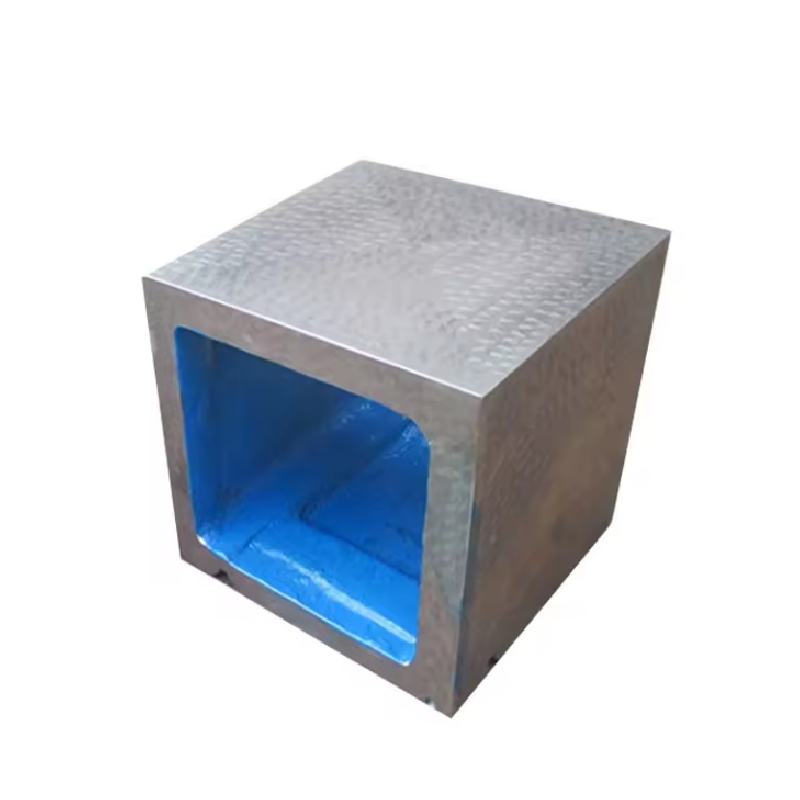
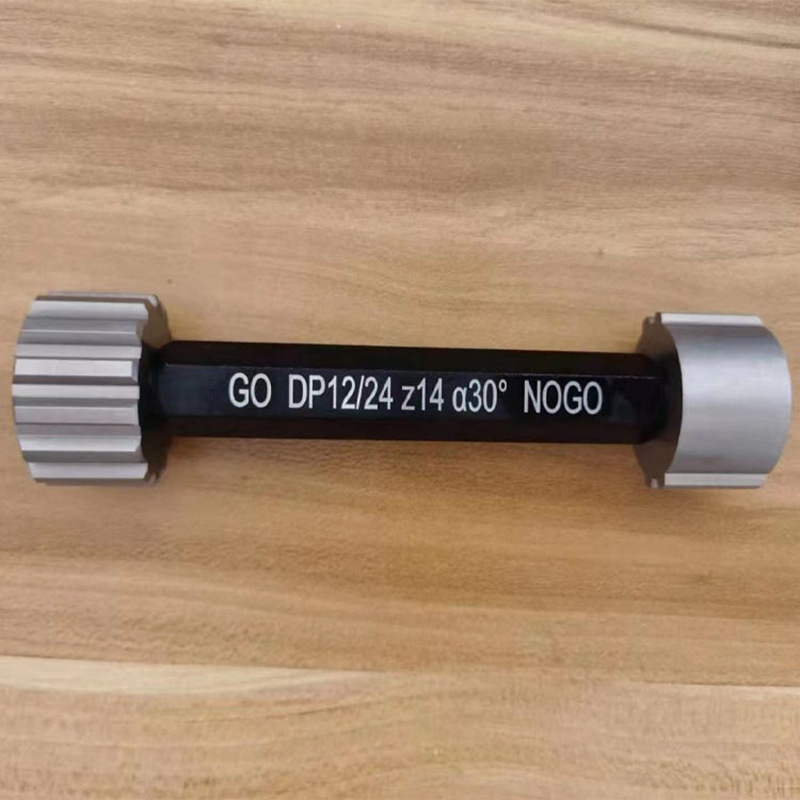
news and information
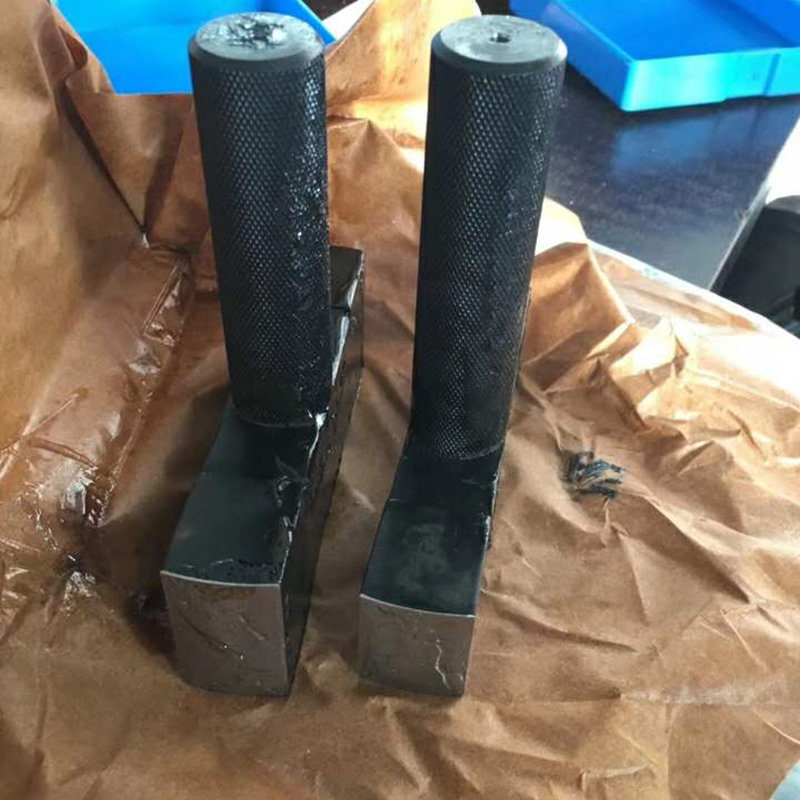
Y Type Water Strainer for Efficient Filtration and Flow Control Solutions
Understanding Y-Type Water Strainers Functionality and Applications Water strainers are essential co

Vertical Y Strainers for Efficient Liquid Filtration Solutions
vertical y strainer .

Y-Type Cast Iron Strainer for Efficient Fluid Filtration and Flow Control
The Importance of Cast Iron Y-Type Strainers in Industrial Applications In various industrial applic
 English